Gallery of the house

The Immortals — Great English Writers

Faces in oil and lamplight. Each of them solved a problem of being human that nobody had solved in English before — and left the solution in a form we can still open.

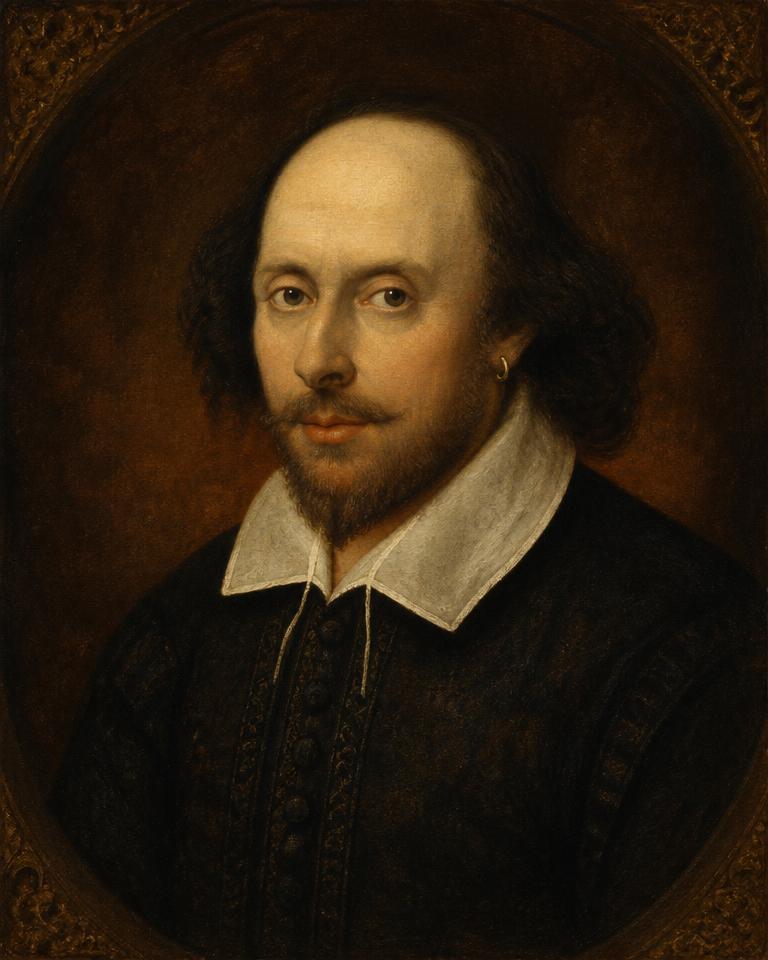
Painted portrait of William Shakespeare

Enter their life & writings

Dramatist & Sonneteer

William Shakespeare

1564 – 1616

“We know what we are, but know not what we may be.”

The largest mind in the language. Thirty-eight plays and one hundred fifty-four sonnets that invented the modern habit of thinking aloud. Hamlet does not soliloquise to inform us; he does it because a self under pressure must externalise itself or shatter. Read him for the psychology of hesitation, jealousy and grief.

Begin withTwelfth Night, then Hamlet, then the Sonnets.

Their life & every work
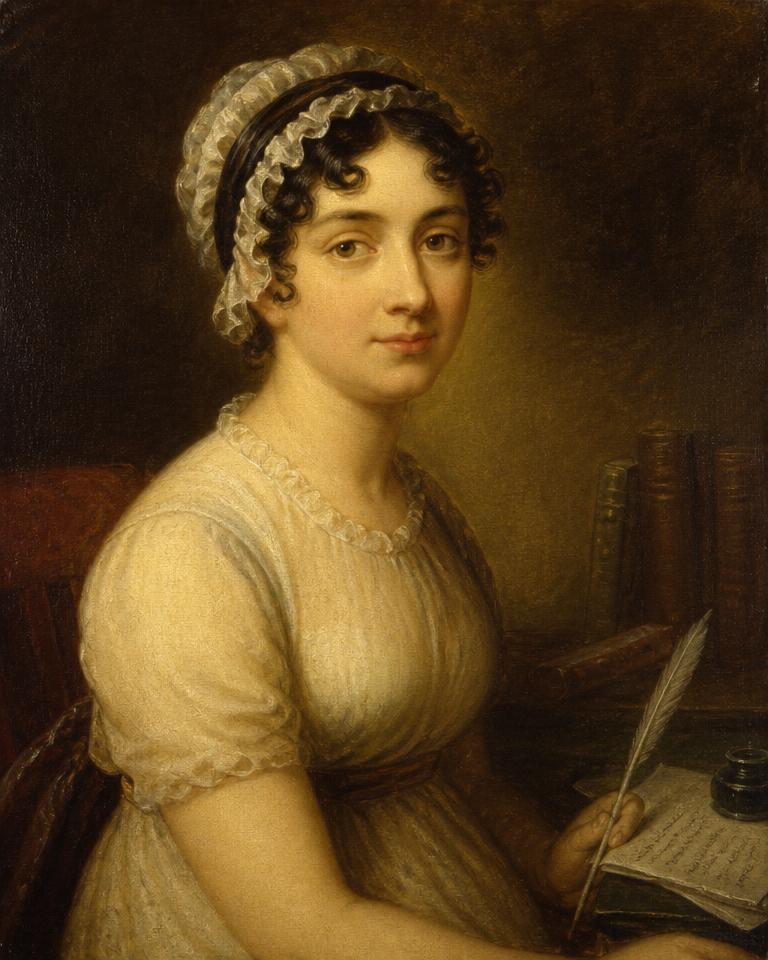
Painted portrait of Jane Austen

Enter their life & writings

Novelist of Manners

Jane Austen

1775 – 1817

“I declare after all there is no enjoyment like reading!”

Her irony is a scalpel wrapped in silk. Austen understood that people reveal themselves in small social errors, and that a marriage plot is really a study of economic terror and self-knowledge. She is the great early practitioner of free indirect discourse — the narrator standing inside a character's head.

Begin withPride and Prejudice, then Persuasion for the ache.

Their life & every work
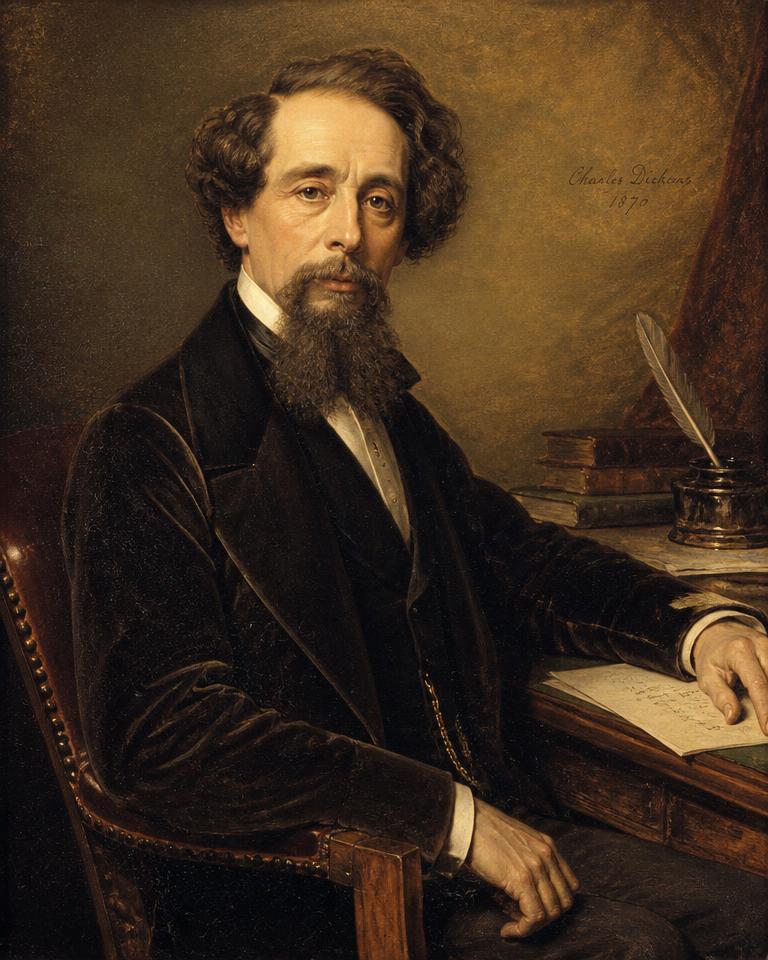
Painted portrait of Charles Dickens

Enter their life & writings

Novelist & Social Conscience

Charles Dickens

1812 – 1870

“It was the best of times, it was the worst of times.”

London itself becomes a character under his pen — fog, debt, orphanhood, and a comic energy that refuses despair. Dickens writes from the wound of a childhood in a blacking factory; his novels are attempts to rescue that boy again and again in different disguises.

Begin withGreat Expectations, then Bleak House.

Their life & every work
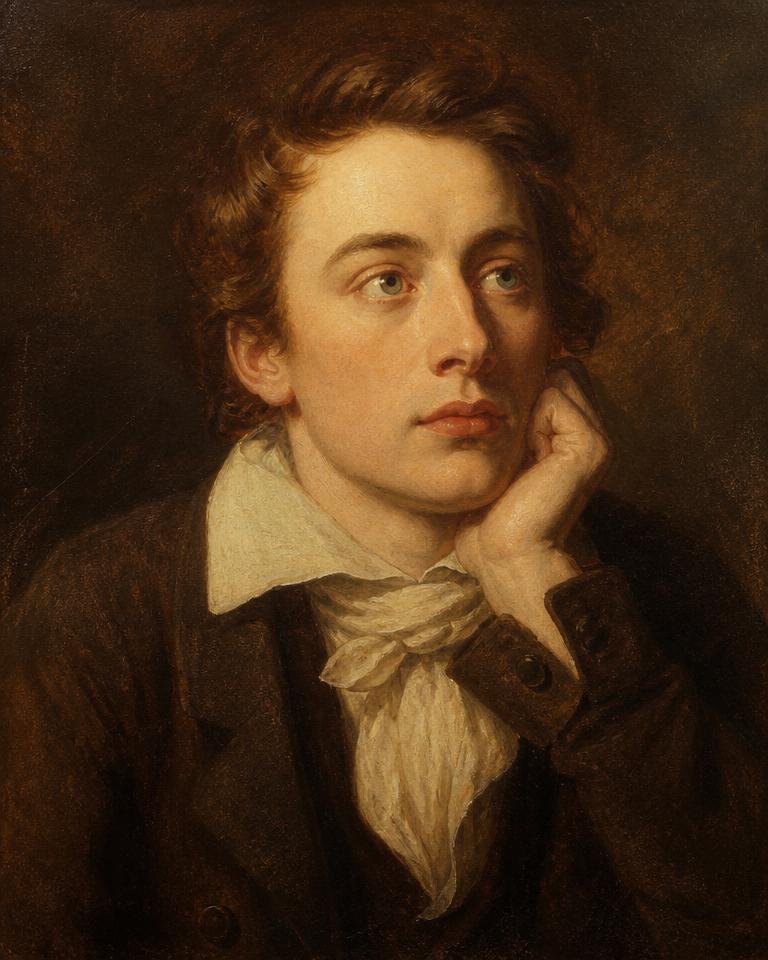
Painted portrait of John Keats

Enter their life & writings

Romantic Poet

John Keats

1795 – 1821

“A thing of beauty is a joy for ever.”

Dead at twenty-five, and yet the most sensuous ear in English verse. His Odes hold beauty and mortality in the same breath without resolving them — what he called Negative Capability: remaining in uncertainties without irritable reaching after fact.

Begin withOde to a Nightingale, then his letters — extraordinary.

Their life & every work
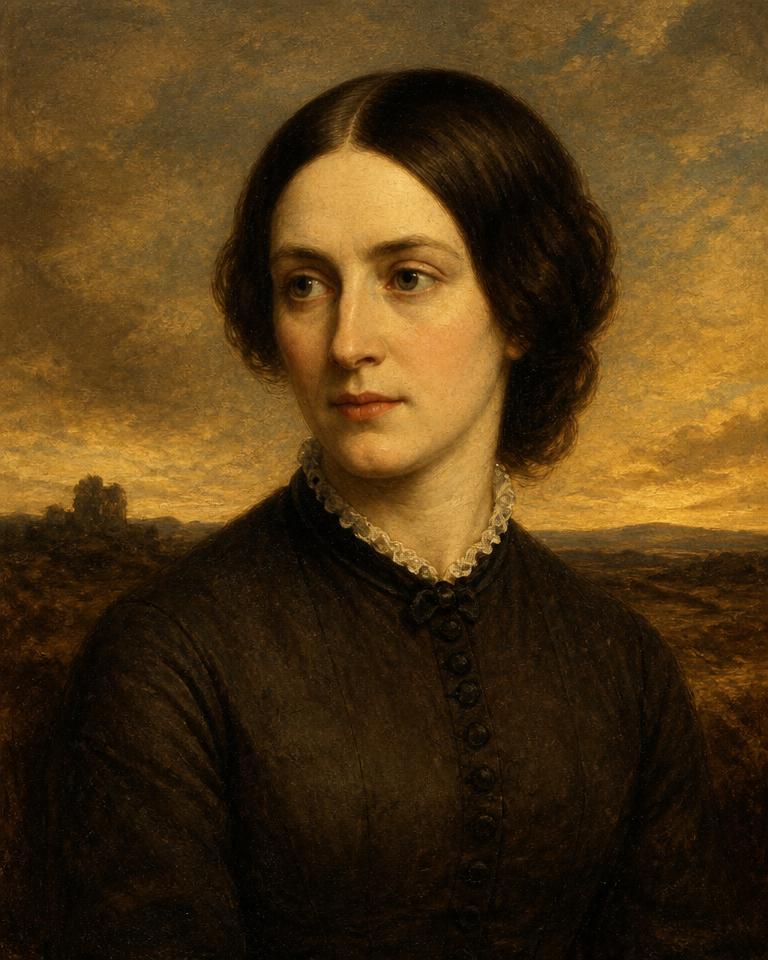
Painted portrait of Charlotte Brontë

Enter their life & writings

Novelist of the Interior

Charlotte Brontë

1816 – 1855

“I am no bird; and no net ensnares me.”

Jane Eyre gave the English novel a first-person heroine with an unapologetic inner life — plain, poor, obscure, and morally immovable. The moor and the attic are not scenery; they are the psyche's own architecture, split between passion and restraint.

Begin withJane Eyre, then Villette for its haunted loneliness.

Their life & every work
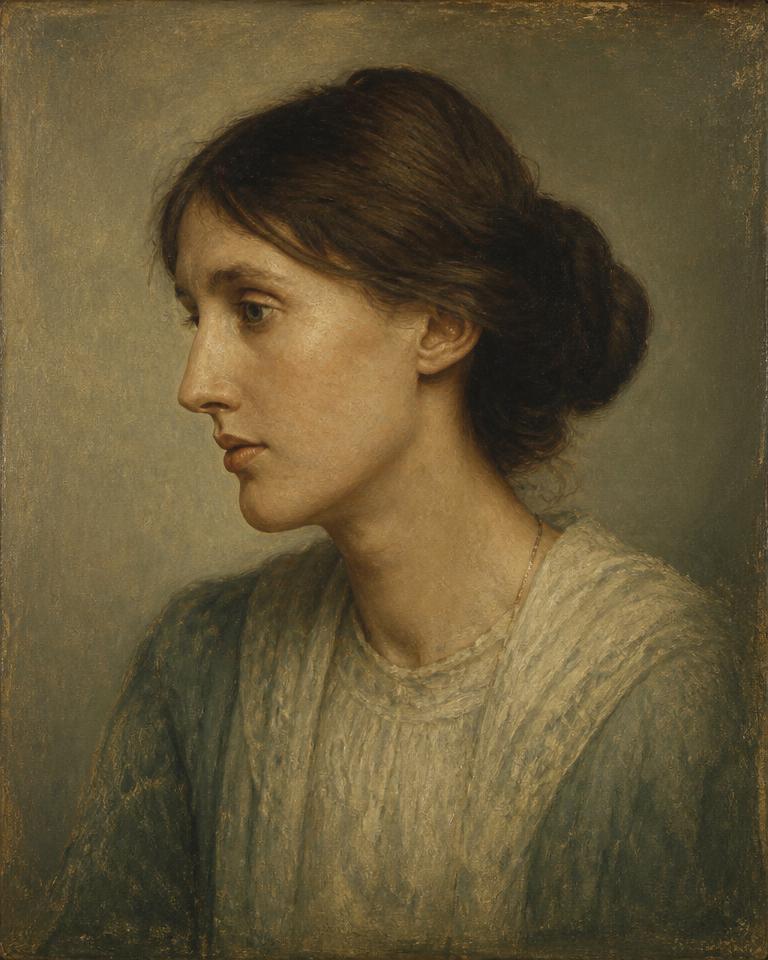
Painted portrait of Virginia Woolf

Enter their life & writings

Modernist & Essayist

Virginia Woolf

1882 – 1941

“For now she need not think of anybody. She could be herself.”

Woolf dissolved plot into consciousness — the mind as a shower of atoms falling. She wrote grief, time and the ordinary luminous halo of a single day, and in A Room of One's Own she named the material conditions a woman needs in order to write at all.

Begin withMrs Dalloway, then A Room of One's Own.

Their life & every work

Wish to go deeper into any of them — or someone not pictured here?

Ask the Oracle